Witnessing your dog suffering from stomach issues can leave pet owners puzzled. It is not only frightening but also messy to even think about why is my dog throwing up his food. While it might not be the point of concern if it happens ocassionally but it does leave you worried when vomiting is frequent.
Vomiting in dogs can be due to several reasons, such as a serious illness, allergies, or they possibly have swallowed something toxic. Our expert guide on pet life will help you identify the reasoning behind dog regurgitation and vomiting, differences, and tips to stop your dog from throwing up food.
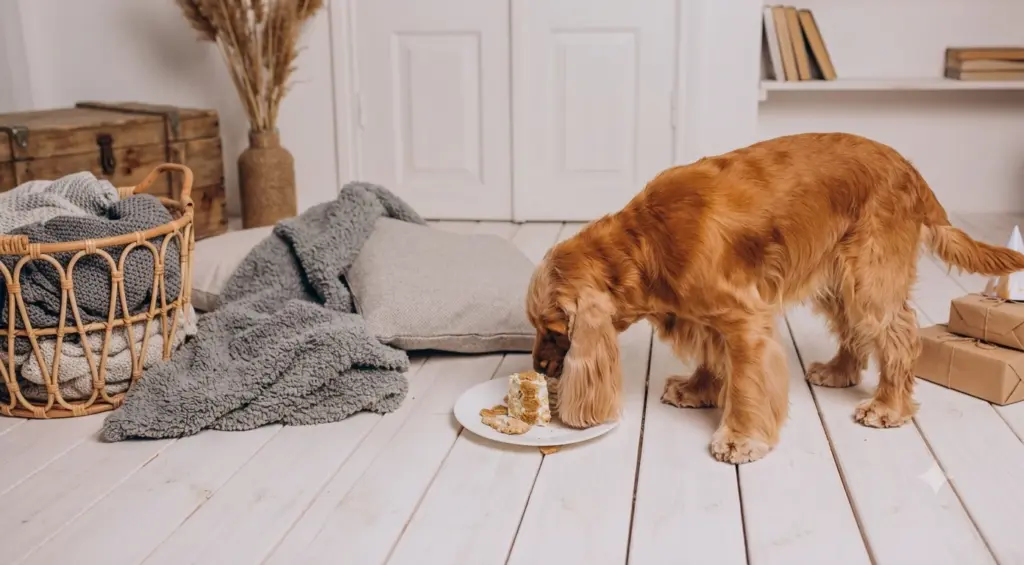
Table of Contents
Why is My Dog Throwing Up Undigested Food?
Worried, why is my dog throwing up his food? A dog’s body ejects food due to some obvious and underlying potential reasons. The most obvious and common cause is a sudden shift in diet. When you switch your dog’s food, it takes a while for them to get used to it.
Other causes include overeating and fast eating, which often cause the body to regurgitate food from the stomach or esophagus. Sometimes you mix vomiting with regurgitation, which can be due to some serious issues like allergies, megaesophagus, foreign object ingestion, and irritations from parasites.
Vomiting vs. Regurgitations
Dog vomiting after eating and dog throwing up undigested food can be terms that are often heard when it comes to having dogs. The difference between these terms is quite clear.
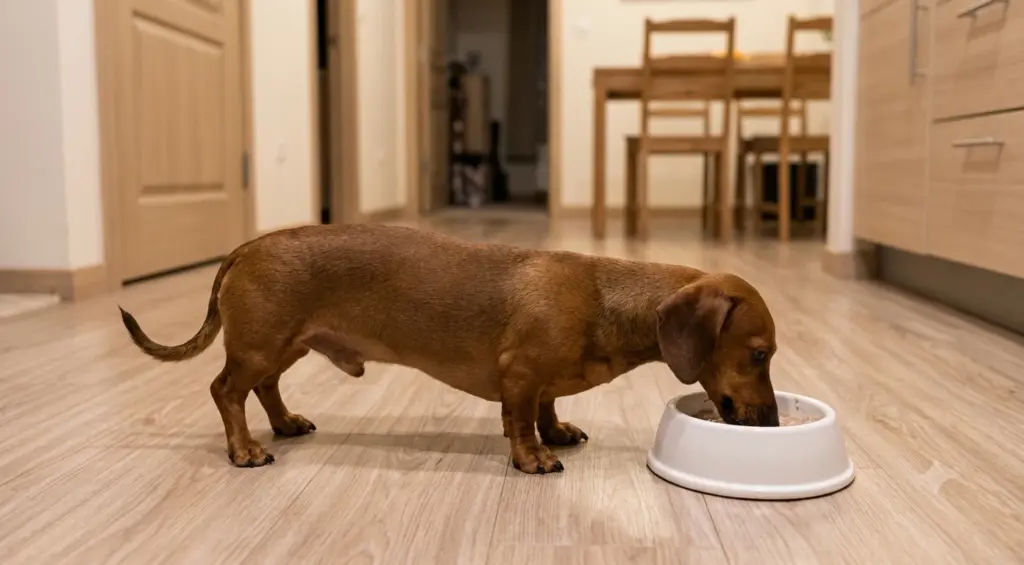
Vomiting is the forceful expulsion of stomach content (chyme), followed by abdominal contractions and telltale retching sounds from your dog. If a dog throws up food shortly after a meal, it’s vomiting, which triggers various issues like dietary indiscretions.
Dog regurgitation is the effortless expulsion of undigested food, saliva, and mucus from the esophagus shortly after eating. Unlike vomiting, it doesn’t happen with any heaving or warning, and its materials are tube shaped with neutral pH, indicating issues with the esophagus rather than the stomach.
Understanding these distinctions can help dog owners differentiate between normal and potential health issues to live their lives happily.
Why Do Dogs Regurgitate Food?
Typically, they regurgitate food because they eat too quickly and consume large amounts, and their esophagus has some unchewed chunks. As a result, a passive and non nauseous act happens, and the body returns the undigested food with yellow and white foam.
The reason behind these passive throwings up can be stress, over excitement, vomiting, and the dog digestive issues. Upset stomach in dogs, like gastroenteritis, is often triggered by food intolerances, eating garbage, rapid diet changes, and underlying serious health issues.
Common Reasons Why Dogs Throw Up After Eating Food
Dogs and cats throwing up undigested food can have plenty of reasons, including:
Eating Quickly
If your pups are consuming meals too rapidly, it can result in dog digestive issues. It increases the risks for indigestion, dog vomiting, potential choking, and even aspiration. Give them portioned meals to ensure healthy and happier living.
Anxious or Stressed
Underlying stress and anxiety can also be the reason, which is why my dog is throwing up his food. They can also experience digestive upset due to emotional triggers and elevated cortisol levels, like humans. Work on creating a calm environment for your dog health.
Food Sensitivity
Constant throwing up in dogs can also signal another deeper issue: food intolerance or allergies. Some ingredients in dog food can be harmful; they struggle to digest them, leading to dog digestive issues like vomiting and regurgitation.
Recent Food Change
Dietary changes often become the cause of vomiting in dogs. A sudden switch in their food can affect their stomach due to digestive distress. Their gut microbiome needs time to adjust to new ingredients and nutrient levels. Take at least 7-10 days for transition.
Digestion Issues
Toxic ingredients, sensitivity, and rapid eating can cause gastric distress in dogs. Observe their behavior closely and consult a veterinarian in case they are struggling with ingesting any food to understand pet vomiting causes. Understanding how dogs digestive systems work is crucial to deciding what is suitable for them to digest.
Foreign Objects Ingestion
Swallowing items like rocks, socks, bones, and toys can irritate and upset stomach in dogs and causes life threatening gastrointestinal obstructions. Diarrhea, loss of appetite, abdominal pain, and lethargy are some symptoms that needs vets attention.
What Do Different Types of Vomit Signify?
Common types of dog vomiting include:
Chunky Vomit
If vomit has whole pieces of food, it signals rapid ingestion, resulting in dietary sensitivities and obstructions. In case of frequent events like this, ask vets for assistance for your dog health.
Brown or Black Vomit
Analyze the vomit color because if it is dark brown or black, it is a point of concern. That’s because the color of vomiting in dogs sometimes indicates the presence of blood, consumption of feces, and other elements like bark, sticks, mulch, and soil.
Liquid Yellow/Foam Vomit
Foamy consistency and liquid yellow appearance imply bile, which could stem from an empty stomach. It can also happen when the gall bladder doesn’t empties secrete bile into the small intestine, preventing digestion.
Strong Smelling Vomit
When vomit has a foul or pungent smell, it is because of dietary indiscretion, gastrointestinal disturbance, or even infections. Pungent smelling vomiting in dogs is also because of ingestion of toxic material.
How to Stop Your Dog from Throwing Up Food?
After you check color and consistency, food safety and quality, and listed symptoms, and have gone for the examination, go through some ways to provide care to your pup.
Adjust Feeding Routine
Adjust their feeding routine by providing smaller, frequent meals, and deter rapid consumption. Maintain consistency in the feeding time, portion, and even place where they feel calm and relaxed to eat.
Monitor Food and Water
Is chicken a good meal for dogs? What’s good or what’s bad for them to digest must be acknowledged by the pet owner. Besides high quality food check, examine if the provided water is fresh or clean.
Address Dietary Sensitivities
Assess current food for any allergens, and gradually transition from a hypoallergenic to an easily digestible diet to support better health. Eliminate the toxic ingredients from their food and switch to bland diets.
Discourage Non Food Consumption
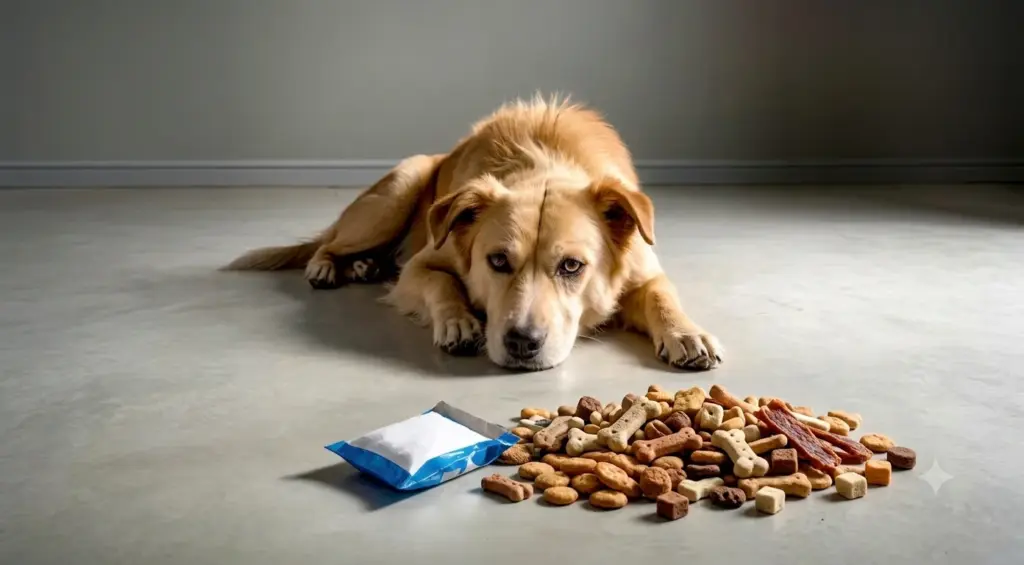
Strictly refrain them from eating non food items like toys, rocks, plastic, garbage, socks, paper, rope, dirt, and even packaging elements to prevent dog vomiting. Also, avoid some “human foods” like grapes, garlic, onions, alcohol, chocolate, and xylitol, which are toxic for dogs and puppies.
Why is My Dog Throwing Up Hours After Eating?
If your dog looks just fine after eating but vomits consistently hours later, it can be due to food insensitivity. Some dogs can be affected due to allergies, eating fast, and consuming non food items. In addition, dog vomiting can be due to a deeper issue like kidney disease, infection, pancreatitis, or obstruction due to ingestion of any foreign object. Some gastrointestinal motility disorders can slow down the transit of food through the intestine.
As a last course of action, contact your veterinarian for emergency assistance. Vets can diagnose the possible underlying reasons for upset stomach in dogs and suggest treatment accordingly. Make sure to ask the vet and look over what your dog consumes daily, and can dogs eat cat food? Can dogs eat cat food? Or they should simply stick to a specifically formulated diet.
This table shows symptoms, causes, and treatments to explain your concern: Why is my dog throwing up his food?
| Symptoms of Vomiting In Dogs | Causes of Vomiting In Dogs | Treatment of Vomiting In Dogs |
| – Lip-licking-Drooling- Hunched body posture- Abdominal contractions- Retching | – Pancreatitis- Allergies-Dehydration- Colitis- Poisons- Kidney failure- Parasites- Bloat- Cancer- Abrupt diet changes | Medications: Metoclopramide, Cerenia, OndansetronFluid Therapy: to treat dehydration in dogsAntacids: to get relief from acidic refluxProbiotics: to promote good gut bacteriaGinger: Fresh or powdered for nausea. |
When to See a Vet to Address Frequent Vomiting Issues?
Why is my dog throwing up his food? Veterinarians play a critical role in diagnosing and treating stomach and frequent vomiting issues in dogs. Chronic vomiting that lasts 3 weeks or longer requires veterinary examination to specify the root cause, ranging from dietary indiscretion to serious illness issues like cancer or kidney failure.
When to see a vet depends on the frequency of vomiting in dogs. If vomiting persists even after 24 hours with any of the symptoms combined, like lethargy, abdominal pain, blood, or diarrhea. If you suspect a toxicity or blockage, get them immediate care, which is required for puppies and senior dogs.
Concluding Thoughts
A dog throwing up his food shortly after eating can be due to numerous reasons, like eating too fast, sudden diet changes, and eating something toxic or forbidden. Our guide covers other possible issues like allergies, parasites, diseases, and foreign object ingestion. Occasional vomiting is fine, though, but if the dog vomiting is frequent, immediately seek veterinary assistance and consult about the pet vomiting causes. Monitor your dog for any unusual changes, and notice symptoms like diarrhea, lethargy, skin allergies, or pain. The best practice is to use a slow feeder bowl, eliminate toxic food, giving a bland diet, and instantly ask for emergency vet help to maintain your dog health.
FAQs About Why Is My Dog Throwing Up His Food
Why Is My Dog Throwing Up His Food Right After Eating?
A dog throwing up his food right after eating can be due to overeating, sudden dietary changes, and eating quickly, resulting in regurgitated food, which is a non nauseous act.
Is It Normal for a Dog to Throw Up Undigested Food?
It is generally considered normal if it happens occasionally due to eating too fast, overeating, or stress that causes a dog to regurgitate rather than vomit due to food insensitivity and vomiting.
Could My Dog Be Throwing Up Due to Food Allergies?
Yes! Food allergies can result in dogs throwing up because their immune system reacts to specific proteins and shows symptoms like diarrhea, gas, vomiting, ear infections, and intense skin itching.
When Should I Worry About My Dog Throwing Up His Food?
You should worry about a dog throwing up more than twice in 24 hours and not being able to keep it down. It displays the signs of pain, diarrhea, lethargy, and blood in vomit.
Can Stress or Anxiety Cause My Dog to Vomit?
Yes! Anxiety and stress are common signs in dogs, triggered by sudden changes in routine like car rides, thunderstorms, separation anxiety, and veterinarian visits.
How Can I Stop My Dog From Throwing Up His Food?
Feed small, more frequent, and slower meals using feeding dispensers and bowls that ensure portions and prevent overeating. Switch to ba land diet and get vet help if vomiting persists.