
Cats are picky about what they eat, when they eat, and how much they eat. For anyone owning a cat, a cat refusing food should be a point of concern. That’s because cats need a healthy diet, rich in nutrients and proteins, to stay proactive. So, if you notice your cat skipping meals for the time being, you might be concerned and want to know: how long can cats go without food before seeking any veterinary aid?
As cats have an inherent ability to hide illness, the owner must pay attention and inspect what’s the reason why a cat stops eating. As a precautionary measure, begin monitoring your feline for signs of pain, sickness, and inspect the current food. Pet Life Expert recommends not to overlook this situation to avoid experiencing long-term medical effects.
Table of Contents
How Long Can Cats Go Without Food? Explained
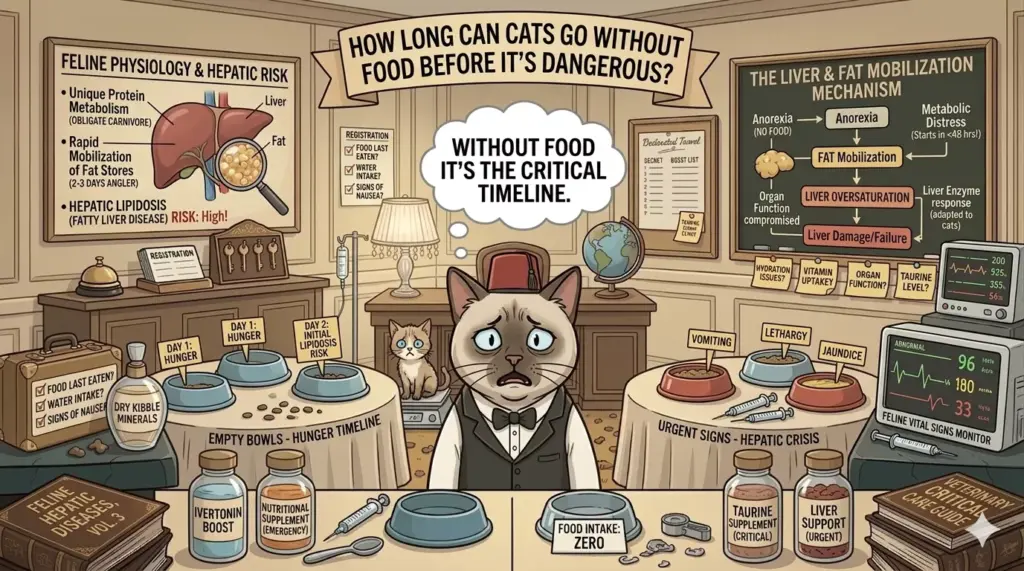
How long can cats survive without food? Theoretically, a cat can survive up to 2 weeks without food when hydrated. However, a period longer than 24 hours is concerning because your pet will become weaker when they don’t get enough nutrition. Living without food for 2 days to a week can lead to a risk of hepatic lipidosis, a critical liver condition.
Breaking it down, if a healthy cat is not eating for 24 hours, it’s fine, but a vet’s guidance is crucial. After 24 hours, weight loss and nutritional deficiency will begin to appear. After 72 hours, fatty liver begins to increase significantly, which is a life threatening condition. Lastly, a feline will have a weakened immune system with muscle mass loss beyond 3 days.
Factors Influencing Cat’s Ability to Go Without Food
Possible reasons why a cat stops eating are listed down:
Illness
Illness is a common sign that something is wrong and which is why a sick cat not eating what’s provided. It can be any kidney, pancreatic, liver, or even cancer condition that requires an emergency visit to a doctor.
Food Allergies
When you notice some unusual symptoms like skin issues, upset tummy, lack of hunger, it can be due to a diet change, which can lead to infections. Try specific food for cat allergies with the vet’s instructions.
Respiratory Issues
Sometimes, a stuffy nose can be the trigger for them to lose their appetite because they can’t smell what stimulates their appetite. This can decrease their hunger for food.
Pickiness
As they are known to be the most picky creatures, you might be wondering: Can cat eat dog food or any unusual items? It’s best to gradually transition to new food or introduce new textures to them with a vet’s consultation.
Dental Problems
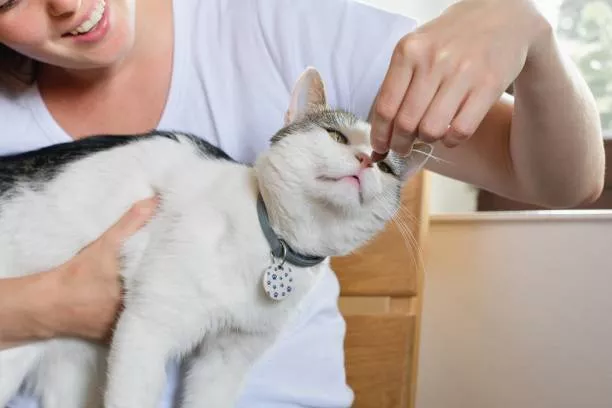
When these creatures refuse to eat, and you witness the excessive cat drooling, it can be a dental issue. Due to pain, stinky breath, fractured teeth, and gingivitis, they experience discomfort while eating.
Upset Stomach
If your cat not eating for 2 days, it can be due to digestive upset and gastrointestinal distress like diarrhea, vomiting, nausea, and abdominal discomfort. Lack of water and food can worsen the condition.
Medication or Vaccination
While essential, medication and vaccination can have side effects, like a lack of appetite. Although these side effects don’t last long, if they last more than a day or two, contact your vet.
Stress & Depression
If your felines start turning down the presented food, or even their favorite food items, there could be depressed. A stressed cat not eating must be taken to an expert to evaluate the symptoms.
Boredom/Fussiness
It can be rare the reason for these felines to refuse the given food. To be sure of this cause, you will need to closely monitor their behaviour and see if they are bored with the same food.
Travel
Any change in their routine can be stressful for them, like travelling can decrease their appetite suddenly. The car movement can cause motion sickness and lead to short term nausea.
Foreign Objects
Sometimes, cat starvation time can be due to foreign objects like strings that can block the digestive tract. If your cat has swallowed hairballs or any other object, they might instantly lose their appetite.
Underlying Conditions
It can’t be easy to say the possible cause why cats suddenly stop eating. However, some other possible medical issues can be pancreatitis, parasites, cancer, diabetes, hyperthyroidism, liver, and kidney issues.
What Happens When Cats Go Without Food For Long?
Cats hide it well when they are sick, in pain, or feeling stressed. Pay attention to any changes in your cat’s behaviour, particularly when it comes to their diet. The loss of appetite in cats can be due to several reasons and can be treated based on the cause of cat fasting. Here, you’ll understand: for how long can a cat go without food?
Risks of Cats Not Eating
The timeline of risks is as follows:
| Timeline | Possible Risk |
| 24 Hours | Healthy cats will be Okay, Kittens will need urgent vet assistance. |
| 48 Hours | Health risk increases, liver damage begins, need veterinarian help. |
| 3-4 Days | Causes severe hepatic lipidosis, a situation leading to organ failure. |
| 1 Week + | The immune system weakens, and loss of muscle mass and weight. |
Signs of a Problem
Now that you know: how long can cats go without food? Go through the symptoms of worsening health conditions due to skipping meals.
- Weakness
- Lethargy
- Vomiting
- Diarrhea
- Weight loss
- Dull Coat
- Yellow Skin and Eyes
- Dehydration
Why is it Dangerous for Cats?
Cats are obligate carnivores; hence, they need animal protein and fat to survive. And when they are hungry, their metabolism rapidly breaks down the fat. Compared to humans, cats cannot tolerate rapid fat mobilization, and hence, the liver overloads, and the condition worsens. The precautionary measure in this case is looking for the best insurance of cat and immediately seeing a veterinarian to avoid any emergency condition.
Tips to Motivate a Cat to Eat Food and Maintain Feeding Schedule
If your cats not eating the food you provide, try some of these useful hacks to stimulate your cat’s natural hunting instincts. Here is how to overcome it when your dog stops eating.
Rule Out Medical Issue First
When a cat won’t eat suddenly, it can be a sign of illness, and if it refuses for more than 24 hours, ask for a vet’s assistance to have any pre existing conditions examined.
Enhance Food Palatability
Cats have a strong sense of smell, and they rely heavily on it to decide if they want to eat that food. Make sure the given meal is highly palatable, appealing, and has an aroma.
Offer a Variety of Food
Offer them a different variety of food (gently warm, not hot) and try rotating it to build interest. Try experimenting with different textures (shredded, gravy, pate, and dry) and flavors.
Add Appealing Toppers
The addition of toppers can be the cherry on top. Use additives like bone broth, tuna water, low sodium chicken, pet specific probiotics like FortiFlora, and nutritional yeast.
Work On the Environment
A space where a feline eats needs to be clean and safe. Sometimes, they are scared of the environment and stop eating until they are relocated to a calm place.
Pick the Right Bowl
To prevent whisker fatigue, try switching to shallow, wide stainless steel bowls. When their whiskers are overworked, they often begin skipping their meal.
Pick Quiete Location
A low traffic area is what these felines prefer for eating, which is away from litter boxes. Also, keep water dispensers away until they are needed to avoid disrupting eating.
Engage Natural Instincts
Engage them in a short interactive play session to stimulate their hunting instincts. Also, opt for food puzzle feeders or treat balls for mental stimulation and promote natural eating habits.
Maintain Feeding Schedule
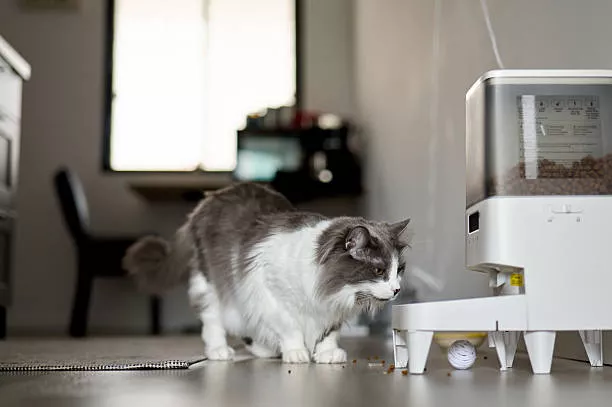
Retain consistency in a feeding chart and go with a portion control strategy to schedule meals per day on the cat food dispenser. Transition gradually, limit treats, and avoid free feeding.
When to Seek Veterinary Assistance & Guidance?
It’s not a problem when a cat skips a meal or two, but you must ask for veterinary help instantly if your cat hasn’t eaten for 24 hours, and a kitten hasn’t eaten for about 12 hours. Besides, if a cat shows symptoms like vomiting, diarrhea, lethargy, breathing difficulty, and being overweight, you must instantly take them to a vet before it develops into a serious fatty liver disease (hepatic lipidosis). Regardless of these symptoms, skipping meals is a red flag because it can be due to underlying issues like stress, illness, dental pain, and other issues, needing instant professional treatment (if any).
Concluding Note
Felines need high protein and nutritionally balanced diet to stay active and grow healthy. Whether you are concerned: how you can get your cat to eat or curious about what happens when a cat doesn’t eat, we’ve got you covered. Our guide covers all the aspects of why your cat is not eating. It is highly recommended to give them a proper diet suggested by a vet or a nutritionist.
Also, take them for veterinary visits to know about the underlying causes. Control their bad eating habits and pay attention to how they are feeling to reach to conclusion. Make sure to check all the listed possible reasons and seek medical assistance as soon as possible to not worsening the health condition.
FAQs About How Long Can Cats Go Without Food
Healthy cats can endure about 2-3 days without food, which is not safe. Because it can lead to stomach and liver issues.
Yes! It’s alarming when a cat hasn’t eaten for 24 hours. Because cats can’t fast and skipping meals can cause serious complications.
No! Kittens can’t go without food for even 12-24 hours because they need meals frequently for energy and growth.
No! They cannot possibly go safe without food for two weeks. Even if they survive, it may result in serious life threatening liver damage, requiring urgent vet assistance.
A cat can last about 3-4 days without water, but as little as 1-2 days without food before facing any kind of serious health risks, like fatty liver.
A healthy adult can live for 3 days without food (with water), but it can result in a serious emergency because it can cause hepatic lipidosis, which is a life threatening liver condition.
A sick cat must not go more than 24 hours without eating (prolonged fasting). A sick feline’s health condition can go bad quickly compared to a healthy one.
2-4 days without water is the limit for cats to survive because significant dehydration can occur within 24 hours, leading to organ failure.