
Antibiotics for dogs are medications designed specifically to treat bacterial infections and are prescribed by veterinarians. It is the most commonly prescribed medication in veterinary medicine, often seen as the life saving treatment for dogs.
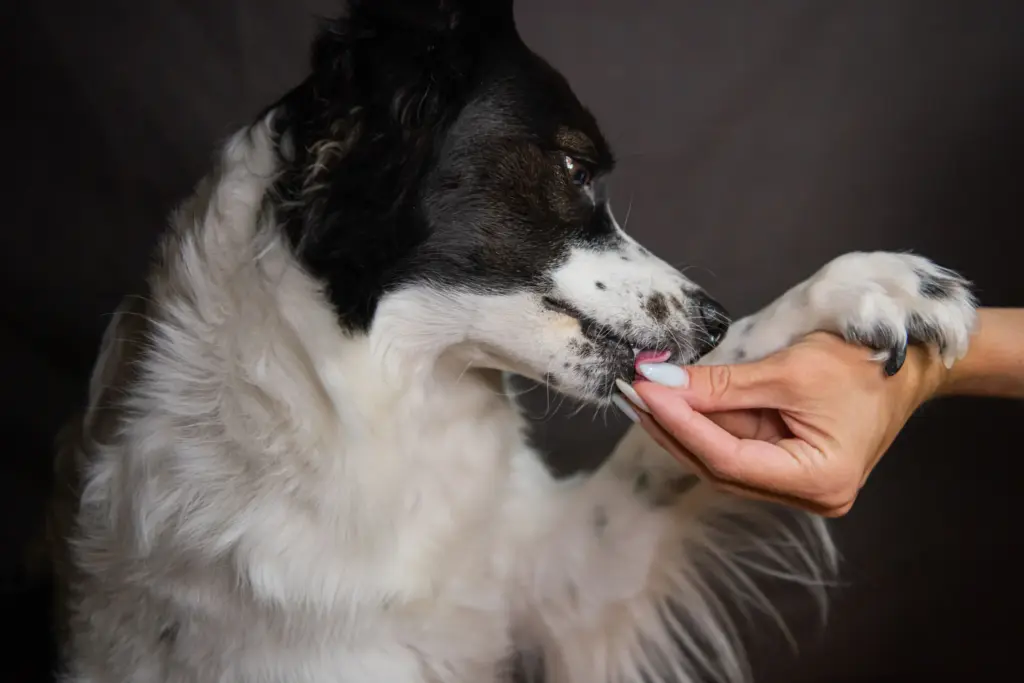
Pet owners who are concerned about their dog’s health might be curious: Are antibiotics safe for dogs? Can dogs take human antibiotics, or if you give dog antibiotics without food? Know that every medication has its own consequences; hence, it is better to administer any medication under veterinary supervision. Our expert pet life guide covers what antibiotics for dogs are, their uses, safety, side effects, and more to help you support your dog’s gut health.
Table of Contents
What are Antibiotics for Dogs?
Antibiotics for dogs are medications designed specifically to treat, prevent, and control bacterial infection by microbes and inhibit their growth. Veterinary medical science prescribes antibiotics for dogs after a proper assessment of the infection type and severity. Some types of antibiotics are metronidazole, amoxicillin, and cephalexin, which treat respiratory tract, skin, and urinary tract infections and gastrointestinal distress like nausea, vomiting, and diarrhea.
While you can give some to your pups, not all are safe and effective for pets as they differ in formulation and dosage, and formulation. Moreover, they are not effective in treating fungal, viral, and parasitic diseases. In some viral cases, vets prescribe taking antibiotics to prevent only secondary bacterial infections.
What Conditions Do Antibiotics Treat in Dogs?
Antibiotics are used to treat a wide range of bacterial infections in dogs. We are going to discuss some of the most commonly treated conditions and bacterial infections.
Skin Infection
Dog antibiotics for skin infection significantly help manage overgrowth of bacteria (Pyoderma, hotspots, and folliculitis) caused by allergies, parasites, wounds, and underlying conditions. For skin infections, Clindamycin, Cephalexin, and Amoxicillin-clavulanate are some commonly prescribed antibiotics. Get veterinary advice and aid, as untreated infections can lead to abscesses or hot spots.
Urinary Tract Infections
Frequent urination, pain, and blood in the urine are some common symptoms of UTIs in dogs. These kinds of infections need culture and sensitive testing before initiating the treatment. For UTI treatment, the most common antibiotics are enrofloxacin, cefalexin, and amoxicillin, which need full course completion to prevent resistance and recurrence.
Respiratory Infections
Difficulty in breathing, nasal discharge, and coughing are some prominent symptoms that signal bacterial respiratory infections or canine infectious respiratory disease complex (CIRDC). For such conditions, azithromycin and doxycycline are the commonly used antibiotics under veterinary advice. To not provoke viral diseases like distemper or kennel cough, never try self medication.
Ear Infection
Ear conditions like Otitis externa or middle ear infection are common in some breeds with floppy ears. Ear infections might require topical antibiotic drops like gentamicin or ciprofloxacin. and oral pet medication. For prevention, proper cleaning and follow up care are the key.
Gastrointestinal Infection
Gastrointestinal issues like vomiting, diarrhea, and nausea are some infections often caused by parasites. Use amoxicillin or metronidazole to treat these kinds of secondary infections; however, avoid overuse, as it may lead to gut flora health disruption, and give it only when it’s necessary.

Is It Okay to Give a Dog an Antibiotic? | Dog Side Effects
Are you curious about what happens if you give dog antibiotics without food, if is it safe to give your dog an antibiotic? or side effects or accidental overdose of dog medication, we’ve mentioned some adverse effects that possibly appear in your dog.
Vomiting and Diarrhea
Disruption of gut bacteria can cause a reaction and lead to vomiting. Prefer healthy dog food and give them probiotics recommended by the vet for antibiotic therapy.
Loss of Appetite
In some cases, they might seem disinterested in food. Offer them bland meals like rice and boiled chicken. Consult with a vet if the problem continues before it leads to gastrointestinal upset.
Allergic Reactions
Labored breathing, swelling, itching, and hives are some signs that indicate an allergic reaction or anaphylaxis due to dog medication. In this situation, your pet will require emergency care.
Behavioural Changes
Sometimes, you feel your dog is unusually quiet and restless and appears lethargic. Consistent behavioural changes must always be reported to your vet.
Nausea
Nausea is another side effect if you want to know what happens when you give dog an antibiotic without food. Early signs of nausea are excessive salivation and lip licking.
Esophageal Irritation
Esophageal irritation, also called esophagitis, is another drawback of empty stomach intake of antibiotics. Some medications, like pills and capsule can get stuck in the esophagus, causing chemical burns and direct irritation.
Reduced Effectiveness
Some pet medications might be absorbed differently, while some reduce effectiveness when taken for a long time. That’s because it increases the chances of vomiting and nausea, causing GI issues.
Note:
If you are wondering when is it okay to give a dog an antibiotic? Know that it is okay only when it is prescribed by a veterinarian to treat a suspected bacterial infection and skin issues like pneumonia, skin infections, and UTIs. As these antibiotics are ineffective against fungal, viral, and parasitic infections.
Rare Medication Side Effects in Dogs
While common pet medication side effects in dogs are gastrointestinal upset, excessive salivation, stomach ulcers, lumps and bumps, skin irritation, liver or kidney damage, and lethargy or behavioral changes, some rare dog side effects If you give dog antibiotics without food are:
- Severe Allergic Reactions
- Blood Disorders
- Neurologic Issues
- Weak Immunity
Different Forms of Antibiotics for Dogs
Veterinary antibiotics come in multiple forms based on their tolerance and level of infection. Keep these forms in mind when giving dogs antibiotics.
Tablets & Capsules
Capsules and tablets are easy to store and measure, and you can give an accurate dose. These tablets are amoxicillin, cephalexin, and doxycycline.
Syrups & Liquids
It is best for small puppies because its dose can be precisely measured for small dogs. Amoxicillin syrup and metronidazole suspension are available.
Ointments & Creams
For ear infections and local skin irritation, ointments can be used, providing targeted relief. Gentamicin ointment and clindamycin cream are examples.
Injections
For guaranteed absorption and faster results, injections are best, particularly when medication is not possible. Consider ceftriaxone and amikacin injection, and long-acting antibiotics.
What are the Types of Antibiotics for Dogs?
Amoxicillin/Clavulanate, Gentamicin, Chloramphenicol, Sulfamethoxazole, Tetracycline, Doxycycline, Enrofloxacin, Clindamycin, and Cephalexin are some options for dogs’ antibiotics. However, we’ll be discussing the most popular ones that are often prescribed by veterinarians.
Amoxicillin for Dogs
It is used for urinary, respiratory, and skin infections. Often, it is combined with clavulanic acid, like amoxiclav or clavam, for effective results in dog health.
Doxycycline
This dog medication is recommended for tick borne or Lyme disease, kennel cough, and respiratory infections. Prefer giving with food and avoid dairy products.
Metronidazole
It is best for central nervous system infections and is also effective against diarrhea, colitis, and gastrointestinal infections. But take it with the vet’s approval.
Clindamycin
It is recommended for dental infections, bone issues, and abscesses in dogs. But ask about the dosage from the vet.
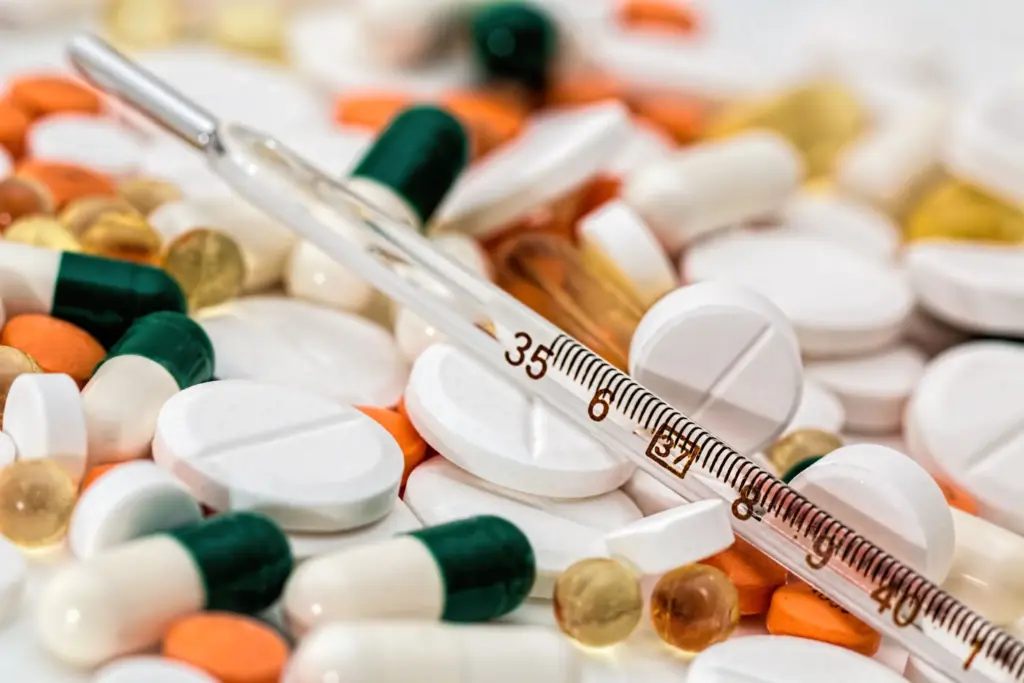
When Should You Not Give Antibiotics to Your Dog?
Avoid giving antibiotics to dogs during these conditions, unless advised by your veterinarian.
- Suspected fungal, viral, or parasitic infection.
- The dog has recently completed an antibiotic course.
- Dogs with kidney or liver disease and impaired metabolism.
- Concurrent medications that interact with antibiotics.
Safe Use and Best Practices for Dog Antibiotics
For effective dog health and safe treatment, some of the best practices are given below:
- Give only vet recommended antibiotics
- If symptoms improve, complete the course
- Store antibiotics as per instructions.
- Monitor your dog closely for side effects.
- Never give leftover or shared medicine to pets.
- Prefer food before giving your dog medication.
- Give them nutritious, healthy, and organic dog food.
- Observe breed specific reaction to parasite medication
- Go for follow up tests and follow dog care tips by vets.
To Finalize
Giving a dog an antibiotic is generally safe, but only when prescribed by a veterinarian. Antitoxins play a major role in treating bacterial infections in dogs. From skin to ear and urinary to respiratory illness, they cure different dog health issues. However, giving different antibiotics to different breeds can have varying effects. Are you wondering what happens if you give dog antibiotics without food? Well, it depends on the type of antibiotic given on an empty stomach. Some cannot be given without some treats or food, while some are okay even with an empty stomach. Our guide covers dog medications (antibiotics) and best dog care tips to make sure your pet stays healthy and safe with veterinary advice and assistance.
FAQs About What Happens If You Give Dog Antibiotics Without Food
Can I Give My Dog Antibiotics Without Food?
Some antibiotics can be given on an empty stomach, but many should be given with some food to avoid stomach upset. Always take the vet’s advice and their prescribed guidelines.
What Happens If I Give My Dog Antibiotics Without Food?
Giving a dog antibiotics without food can sometimes cause gastrointestinal upset like vomiting, nausea, or diarrhea, based on the type of antibiotic given.
Do All Antibiotics Need to Be Given With Food for Dogs?
No! Some antibiotics, like amoxicillin, are okay to give with or without food, while others, like doxycycline, are better given with a small meal to prevent gastrointestinal upset (GI).
Can Giving Antibiotics Without Food Affect Effectiveness?
Yes! For most antibiotics, the effectiveness isn’t reduced, but absorption can sometimes be improved when given with food, depending on the specific type of medication.
How Can I Safely Give My Dog Antibiotics With Food?
Simply mix the antibiotic with a small portion of your dog’s regular food or a treat like cheese, wet food, peanut butter, or boiled chicken to make it easier to swallow and reduce stomach upset.
When Should I Consult a Vet About Giving Antibiotics?
If your dog vomits, refuses food, shows diarrhea, or has unusual bacterial infections after taking antibiotics, contact your vet immediately for guidance when the symptoms don’t improve.