
Pet enthusiasts often love the idea of feeding their dogs what they eat. Along with many other human foods, you can give your pets vegetables that come with various specific nutrients like carbs, minerals, fats, and vitamins. While there are many benefits to giving vegetables to your dogs, you must not overlook the certain disadvantages of feeding vegetables to dogs.
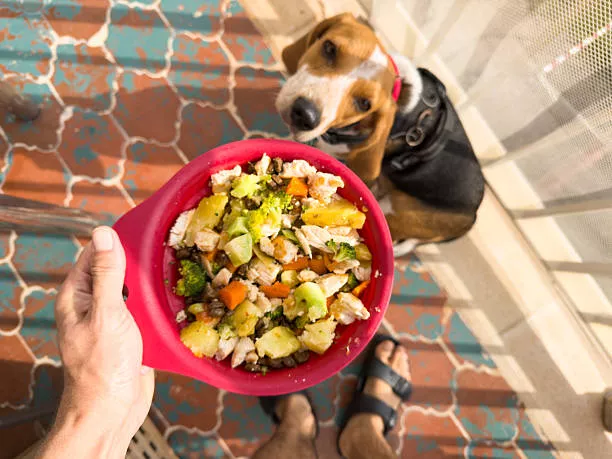
If you like to feed vegetables as you consume them in your daily routine, there are some things that you must consider, Can dogs eat vegetables? To eliminate and help your concern, Pet Life Expert has come up with a detailed guide to the drawbacks and benefits of feeding some vegetables to dogs.
Table of Contents
Can Dogs Eat Vegetables?
Giving vegetables to dogs is a good idea when you are following the standard guidelines of AAFCO, ensuring what you are giving to your dog is good for their health. Yes, dogs can safely eat a variety of veggies that are high in vital nutrients. However, you should give your dog vegetables in moderation, choose safe ones, and stay away from harmful ones. For tailored guidance, you should also speak with your veterinarian.
Benefits of Feeding Vegetables to Dogs
Let’s get to know the benefits of giving vegetables to your dogs;
1. Improves Digestion
Vegetables are a natural source that improves gut health and the digestive system.
2. Weight Management
A fresh diet majorly helps maintain, ultimately leading to a longer life.
3. Antioxidants
Veggies contain specific antioxidants like beta-carotene and lutein that protect against cell damage.
4. Immune system
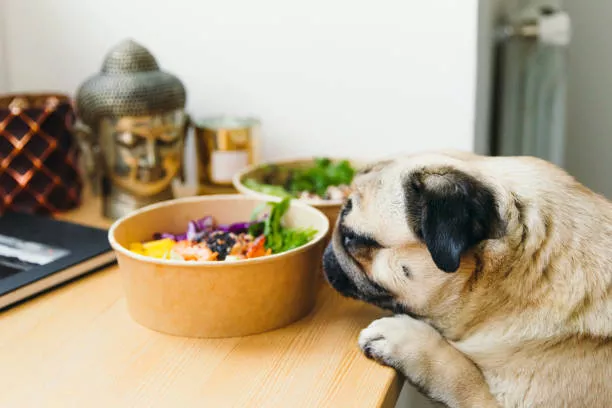
Raw dog food diets majorly help improve your pup’s immune system and provide energy to fight allergies.
5. Essential Nutrients
Certain veggies contain many nutrients such as fiber, minerals, vitamin C, vitamin A, and carbohydrates. These are essential nutrients in a dog’s diet that help support digestion and overall health by aiding the body’s natural detox processes. And while exploring healthy snack options beyond vegetables, many pet owners also ask can dogs eat popcorn, since it is sometimes considered as an occasional treat when prepared plain and without harmful additives.
6. Phytonutrients
These phytonutrients have anti-aging, cancer-fighting, and antibacterial properties and are only found in vegetables.
Drawbacks of Feeding Vegetables to Dogs
While these are the natural diet options in a dog’s food, some vegetables contain acid and chemical compounds that could affect the dog’s damage.
1. Contain Toxins
Onions, garlic, leeks, and chives are some veggies that might contain harmful substances that affect your dog’s health. These harmful toxins could result in vomiting, diarrhea, stomach pain, and nausea.
2. Too Much Consumption
Giving too much vegetables can also be dangerous for your dog’s health. That’s because they can lead to kidney issues, gut changes, and increased alkalinity.
3. Low/High Blood Level
Some veggies contain a certain amount of Xylitol, which can result in low sugar levels. Hence, it is advised not to give dogs human foods that can be fatal.
What Vegetables Dogs Can Eat?
Have a look at the type of vegetables dogs can eat and easily digest when served in an adequate or moderate amount.
- Broccoli
- Cabbage
- Carrots
- Asparagus
- Kale
- Pumpkin
- Beets
- Cucumbers
- Sweet potatoes
- Brussels sprouts
- Lettuce
- Peppers
- Peas
- Zucchini
- Celery
- Cauliflower
- Beans
- Potatoes
- Spinach
What Vegetables Dogs Cannot Eat?
Now let’s talk about some vegetables that are harmful for dogs.
- Onions
- Garlic
- Mushrooms
- Corn
- Tomatoes
- Eggplant
- Radishes
Some Tips For Feeding Vegetables to Dogs
Feeding vegetables to your dogs demands the owners be considerate. That’s why some essential tips are explained down.
Moderation Is the Key
Moderation is the top priority when it comes to giving vegetables to dogs. When planning their diet, ensure that only about 10% consists of new foods, while the remaining portion should come from their regular, balanced diet. And while managing portions and diet variety, many pet owners also ask can dog eat spices, since not all seasonings are safe and should be introduced with caution.
Preparation
When it’s about feeding dogs, preparing food requires careful consideration. Be sure of making vegetables easier to digest for dogs while fulfilling the needs of nutrients through moderate boiling, pureeing, and blending.
Introduce Gradually
Initiate giving a small amount of new vegetables and persistently monitor your dog’s food. Check if shifting to a new diet has caused any digestive upset, like vomiting or diarrhea. If there are no signs of allergy, you can enhance the quantity.
Chop Into Small Pieces
The next thing a pet owner must be considerate about is chopping any kind of veggie into small, bite-sized pieces to prevent choking hazards and make it easier to chew and digest for your puppy. Proper preparation plays a key role in keeping your dog safe during mealtime. And while planning a balanced diet, many pet owners also wonder can dog eat chicken, as it’s a common protein source when served properly cooked and unseasoned.
Cook Most Vegetables
Although some veggies can be given raw to your dog, it is advised to slightly steam, roast, and boil some foods for better digestibility. But be sure of cooking the veggies slightly.
Avoid Seasonings
One of the most important aspects of feeding vegetables to dogs is never serving food with seasoning. Avoid any kind of seasoning like salt and pepper to ensure a healthy diet for your pup.
To Finalize
When it’s about feeding vegetables to dogs, pet parents might think it’s all safe to give them to your dogs. But that’s not necessarily the case with all vegetables, because some might be safe while others can harm your pup’s health. That’s why we’ve mentioned the benefits and drawbacks of vegetables to your dogs. Some safe and unsafe choices have been listed down to make it easier for you to feed them to your pups.
FAQs | Frequently Asked Questions
Are Vegetables A Good Idea For Dogs?
Yes! Vegetables are definitely a good idea for dogs, providing a beneficial diet to help them get healthy. Due to certain vitamins, fibers, minerals, and antioxidants, vegetables can make up the most of your dog’s health and wellness.
Which Vegetables Are Best For Dogs?
Some of the best vegetables for dogs are carrots, green beans, broccoli, spinach, sweet potatoes (cooked), pumpkin (plain, canned, or cooked fresh), peas, cucumbers, and peppers (without seeds/stems, especially red and yellow peppers), and zucchini.
How Can I Prepare Vegetables For My Dogs?
Preparing vegetables safely requires washing them first to remove dirt. Make sure to steam, boil, and roast vegetables when necessary for easier digestion. Don’t add onions, garlic, and other harmful seasoning. Chop the veggies into small pieces before serving and introduce them slowly.